
My number one goal is to showcase indigenous African ingredients in diverse recipes that show their versatility and use. That could be sharing traditional recipes that many might not be familiar with or including them in non-African recipes that make them a natural fit. This recipe is the latter. These millet noodles are a perfect use of millet flour. They have a nighty, almost floral flavour to them that makes these noodles a great alternative to soba noodles. If you are looking to get into noodle making, or try new ingredients, this two three ingredient noodle is perfect for you. Paired with a brothy Ghanaian soup like groundnut soup, you have a comforting, warm, noodle bowl soup.
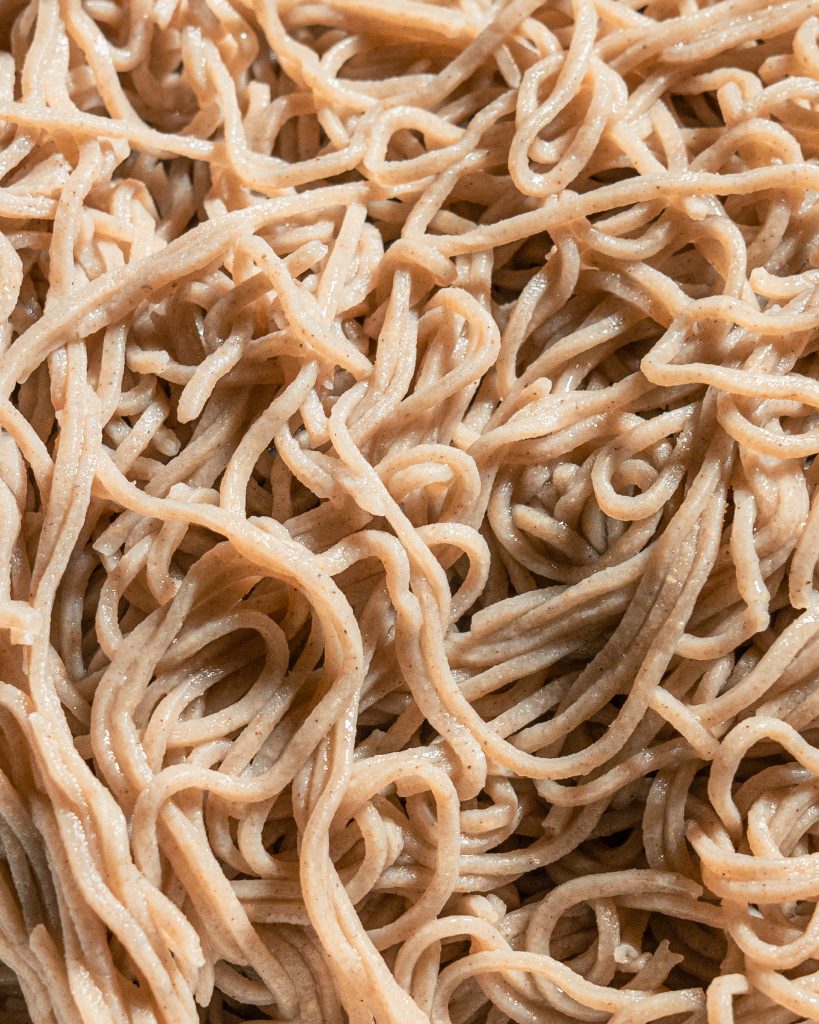
What are millet noodles
Millet noodles came out of a genuine interest to use up all the extra pearl millet flour I had accumulated after testing recipes for my debut cookbook. As I had spent two years working on Ghanaian recipes, I wanted to take what i had leftover and find other creative uses for the extra ingredients. I was also obsessed with the science of pasta and noodle making and thought it would be worth a challenge to see how I can incorporate my African ingredients into pasta. I think this could be a great way to find a middle ground for non African readers of this website.
These millet noodles have a nutty, earthy flavour to them but with a slight chew.
How did soba noodles inspire this millet noodle recipe
The inspiration for these millet noodles are soba noodles. Soba noodles are a Japanese noodles made mostly with buckwheat noodles. Buckwheat is nutty in flavour giving the noodles an earthy taste. Masters of their craft make soba noodles exclusively from buckwheat (this is also highly dependent on the freshness and quality of the buckwheat flour) but most widely available versions add wheat flour relying on gluten to provide structure and a slight chew to the noodles. Soba noodles pair well with light umami based broth or dipped into a cold savoury sauce. However beyond Japan, soba noodles are enjoyed in myriad of recipes owing to its flexibility but also for its added nutritional value. Millet slips perfectly into the role of buckwheat in soba noodles.
What are the health benefits of millets
Millet is a nutritious grain with essential vitamins and nutrients like iron, B vitamins, and zinc. The goal of adding millet is more for flavour than it is to create a gluten free noodle.
Why you should make millet noodles
- It is fun. Working the dough is a great way to relieve stress
- Practical approach to learn about the science of noodle making. Through this recipe, I was able to understand why gluten is used in noodle making. The role of starches in gluten free grains and how that can be worked to promote better noodle texture. How water functions in flour based products.
- Proud sense accomplishment. Noodle making might seem daunting but once you get it done, there is an immense sense of accomplishment
What ingredients do you need to make millet noodles?
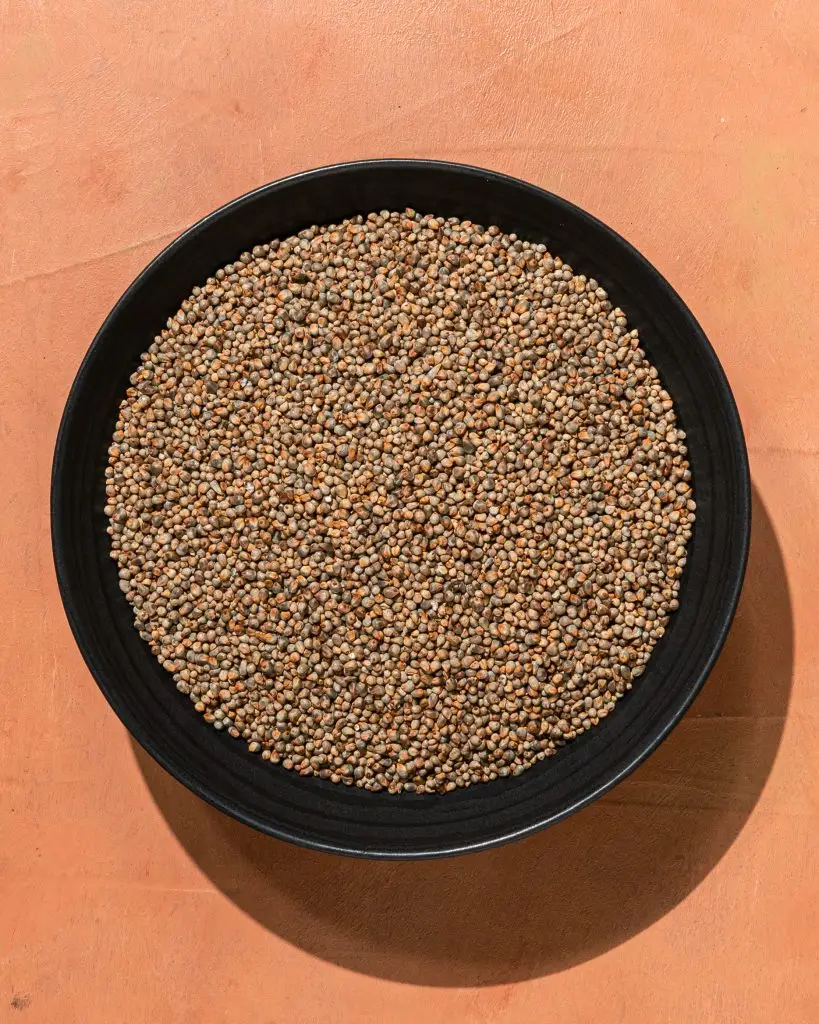
- Millet Flour. I am using pearl millet here. I am sure other forms of millet work, but pearl millet has a great flavour that can be similar to buckwheat. You can make fresh millet flour by blending pearl millet in the blender until y.
- White Bread Flour (Hard Flour). Bread flour has a higher protein content which will mean more gluten that can add more structure and elasticity to the noodles, especially as millet is a gluten free flour. I have made the noodles with all purpose flour and it works just fine; it is a bit more fragile. The amount of water need might be slightly lower given its lower protein content. Using whole wheat flour, while higher in protein, might have a different effect as the whole grain can affect gluten structure.
- Water. Room temperature water is all you need. Too cold or two hot can affect the development of the gluten structure.
- Tapioca or potato starch for dusting. This doesn’t affect the moisture of the noodle too much and helps to separate individual noodles
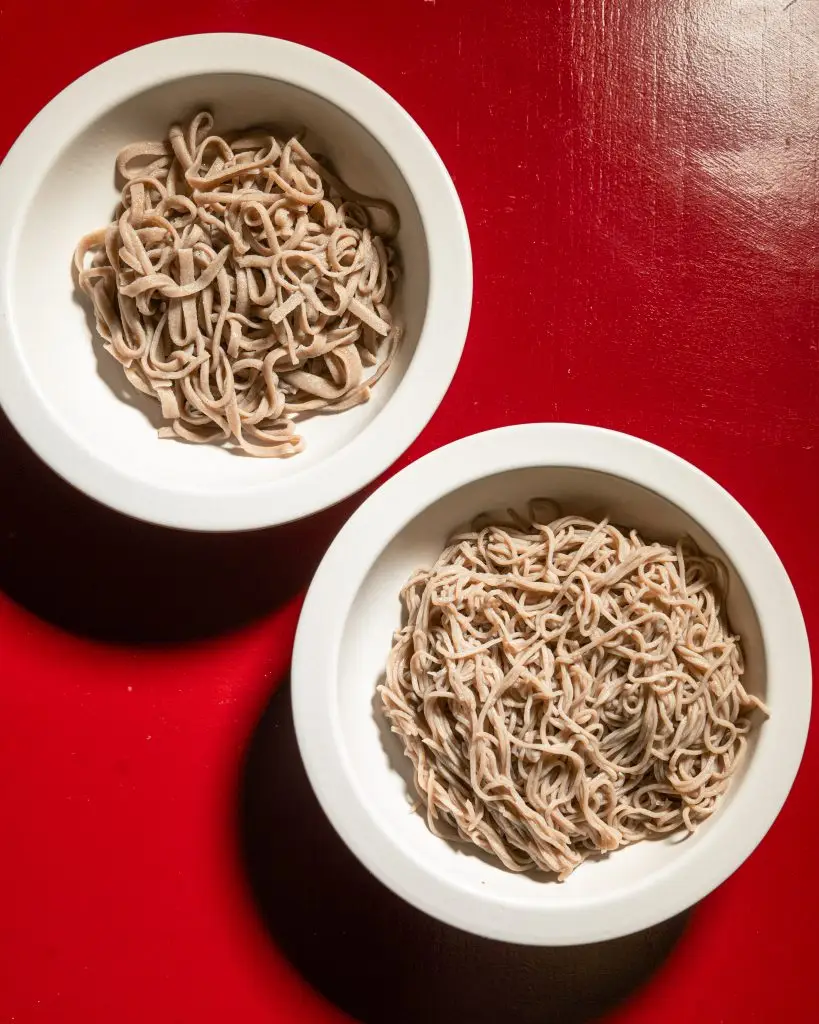
Essential Disclaimer. While these noodles include gluten flour, they are more delicate that 100% wheat based pasta because millet is gluten free adding delicacy to the noodles. It is more prone to breakage compared to commercial/wheat based paste.
Substitutions
- Can I make this gluten free? I have tried to make this gluten free working with different flours that have a higher starch content as well as psyllium husk and xantham gum. I searched through many recipes and reddit feeds, tried their suggestions and still did not get what I was looking for. Psyllium husk got me closest to a noodle shape but it was very delicate and required a lot more water than the gluten version. I did not want to force a gluten free alternative as all the extra ingredients are not as accessible for everyone, especially for my Ghanaian audience. I also wanted a bit of chew with the noodles and starch and gluten free noodles do not offer that texture. Obviously there are handmade soba noodles that are 100% gluten free and that is only possible through high quality ingredients and mastery of the noodle process. I am just not there.
- Can I use any other grain flour? I believe so, it is more about technique and less about the grain but you obviously want a flour that is not too old and of good quality.
How to make millet noodles
- First mix the millet flour with the bread flour and sift. This recipe is based on a ratio of 1 to 1 millet to bread/high gluten wheat flour. Sifting helps to reduce clumping and remove any leftover large pieces. A fine flour gives a better overall texture. Take the total weight of the flours, take 60% of this weight and use that as the amount of water (in grams or millilitres) needed. If you use cups, it will be 1 cup millet flour, 1 cup bread flour, 2/3 cup water.
- Slowly incorporate the water into the noodles and massage the water into the flour, kneading as the dough comes together. This was a game changing technique I learned from watching many soba noodle recipes; it really forces you to be fully focused on the texture of the dough. This helps to start building gluten but also to ensure that the flour is evenly hyrdated. You will need less water than you think based on this method.
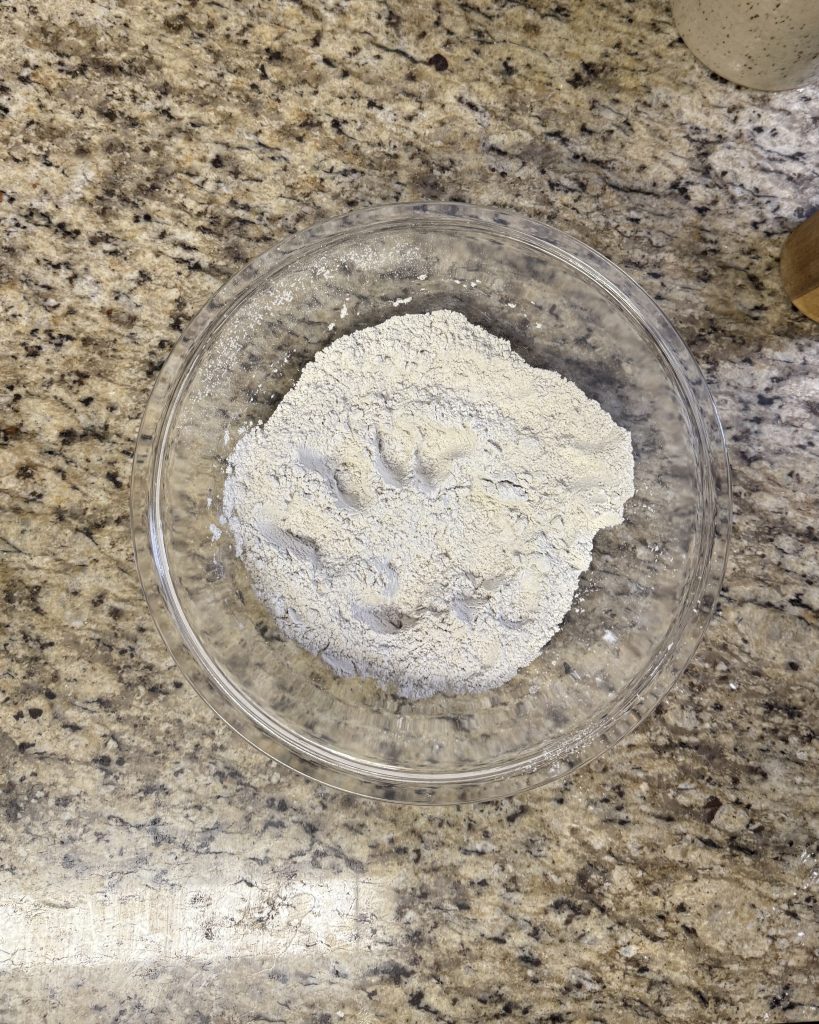
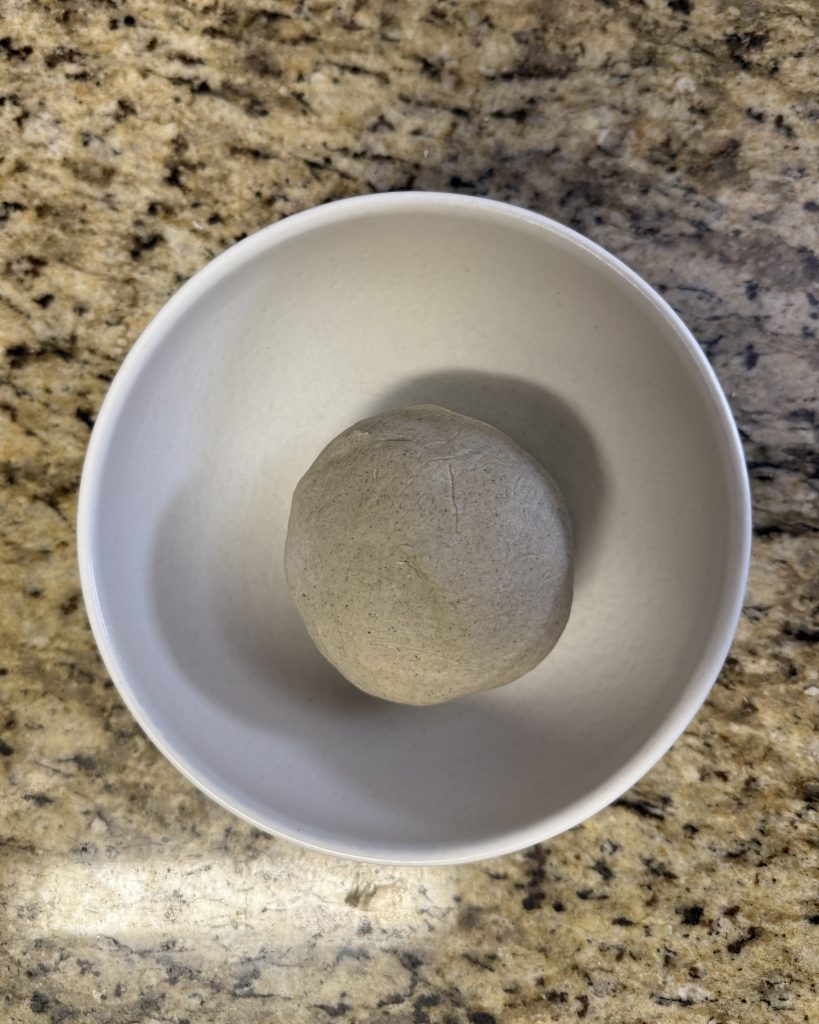
- Continue to add the water until you get a cohesive dough that does not crack. Continue to knead the dough to get a soft and supple dough that is not hard nor is it sticky.
- Wrap the dough tightly and rest at room temperature for at least 30 minutes. This allows the gluten to relax and will make it easier to roll out.
- On a well dusted surface. Divide the dough into two and roll out slowly into a thin sheet, with a thickness that is about half a millimeter.
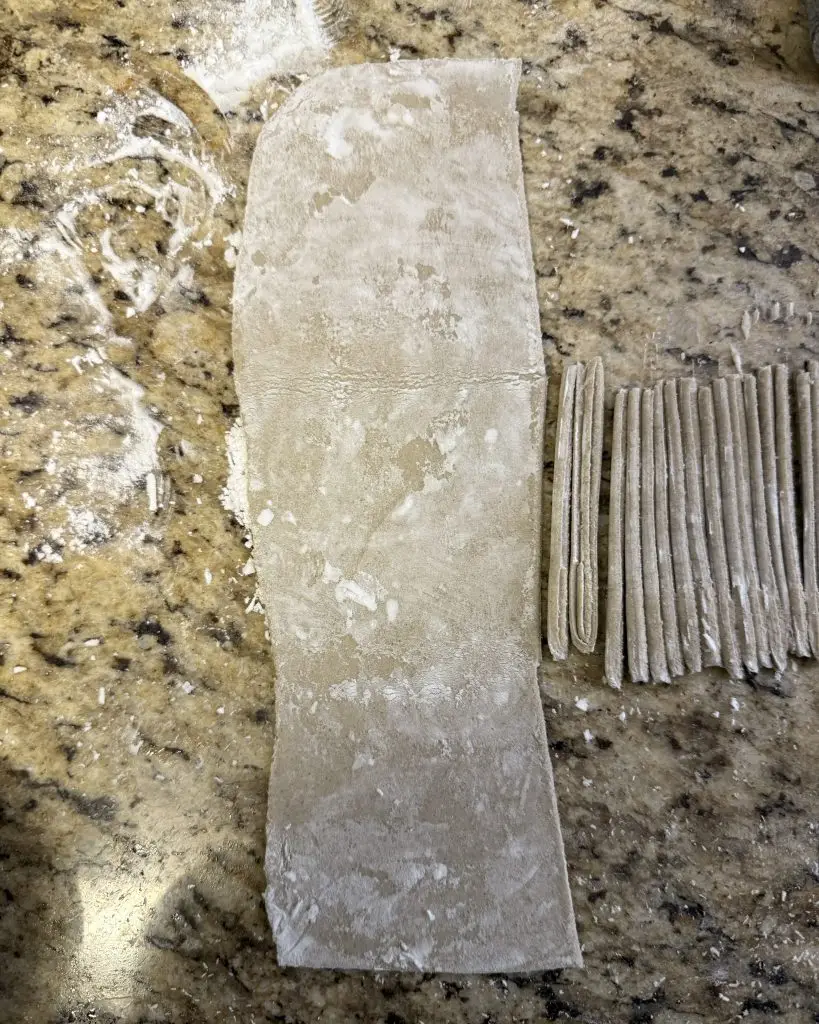
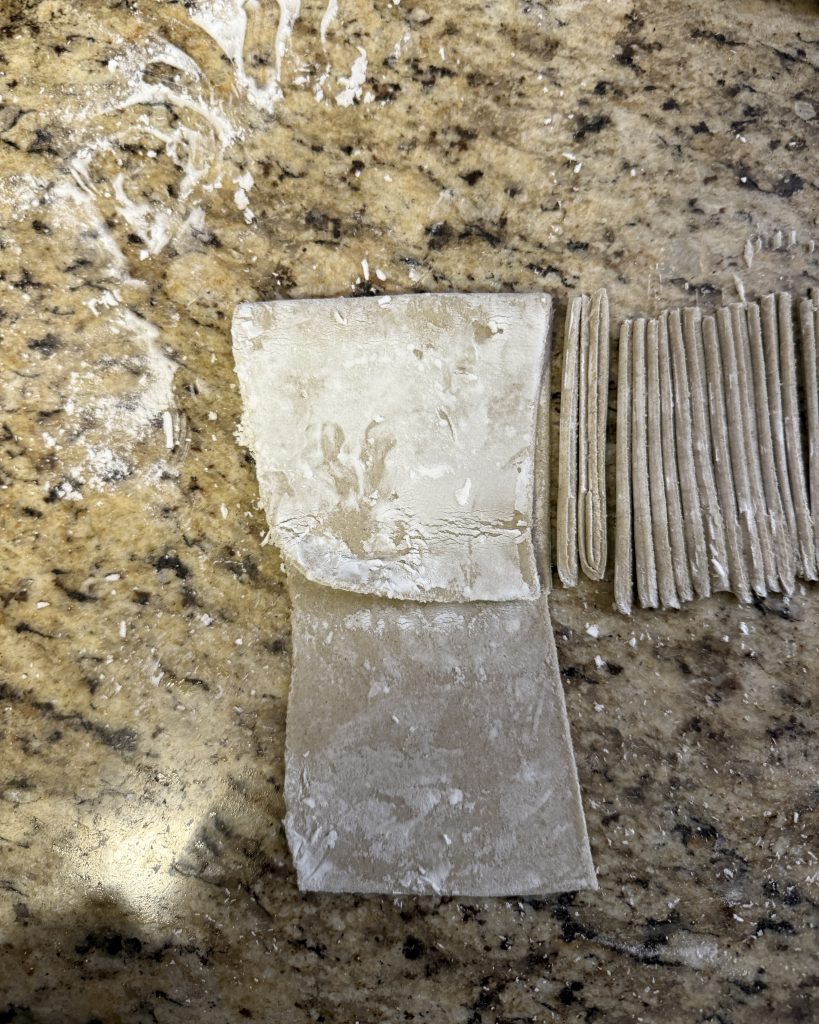
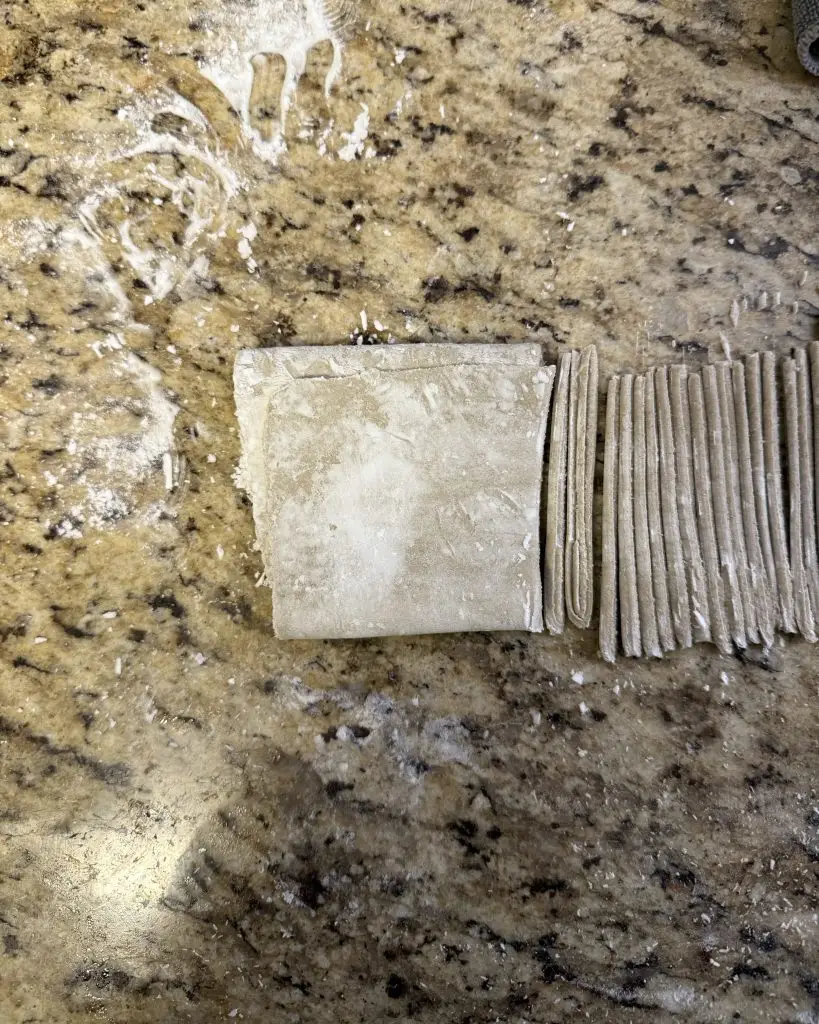
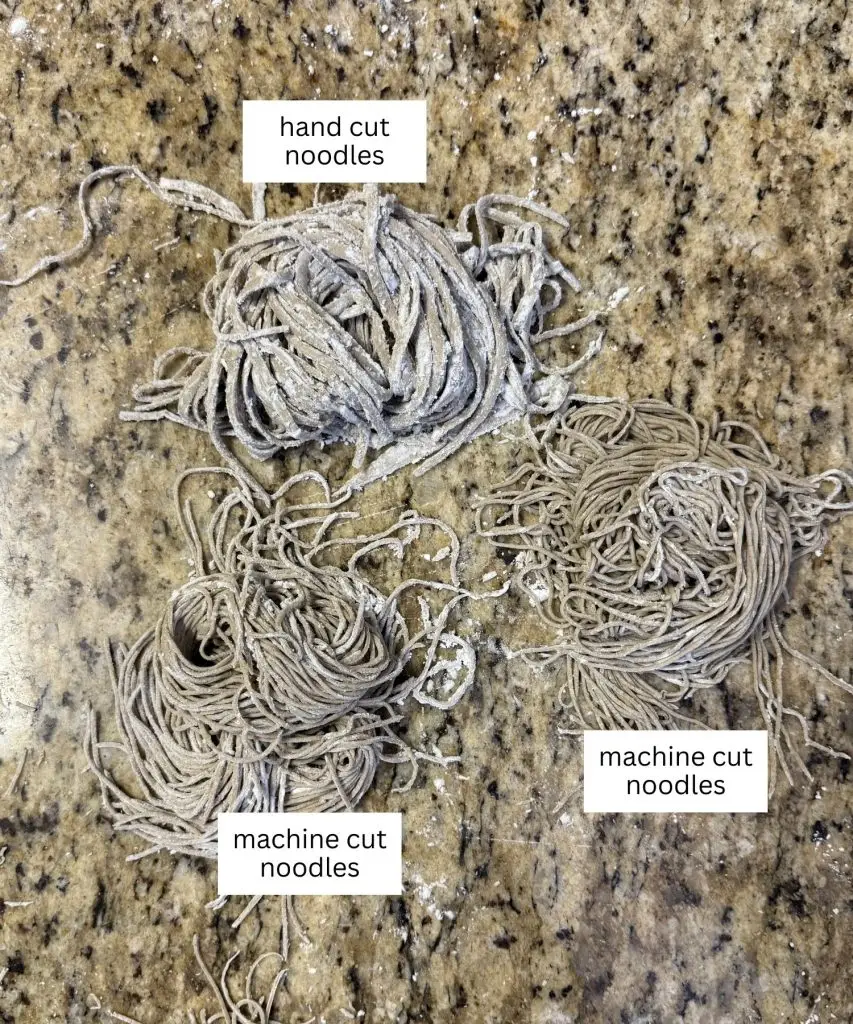
- You do not need pasta machines but you are welcome to use a pasta machine to. To hand cut it, sprinkle a generous amount of the starch on the pasta sheet. Fold it in half on itself and slice thin noodles using a bench scraper or a knife. If you are using a pasta machine, start by rolling out the dough at the thickest size, then move straight to third smallest size. Cut the dough into noodles using the thin noodle cutter.
- Sprinkle more starch to separate the noodles
- Boil in hot UNSALTED water for at most 90 seconds where the noodles will float to the top. Make sure the water is not vigorously boiling as that could break up the noodles. If they are clumping, use some chopsticks to gently separate the noodles. Drain and immediately wash with cold water. Make sure the water gets through the noodles to rinse out the extra starch.
- Enjoy with broth or stir fry.
Troubleshooting
- My dough is breaking apart, what did I do wrong. If the dough was breaking apart as you were mixing it, then it needed more water.
- The pasta was breaking apart while I was cutting it, what did I do wrong? A pasta that is not fully wheat based will be on average weaker than 100% wheat based pasta. However, if the pasta dough keeps breaking as you roll it out, it was probably not well hydrated. I suggest adding a few extra teaspoons of water. Bringing the dough back together and letting it rest before attempting again
- The pasta broke apart after I cooked it. Adding a gluten free flour like millet will make the noodles a little bit more delicate that any homemade wheat based pasta. I suggest treating the noodles with a little bit more care so not letting the pot of water boil too intensely or do not rinse it vigorously under cold water. Using bread flour really helps to reinforce the dough better and I suggest using this or any higher protein flour next time.
What can I serve with these noodles?
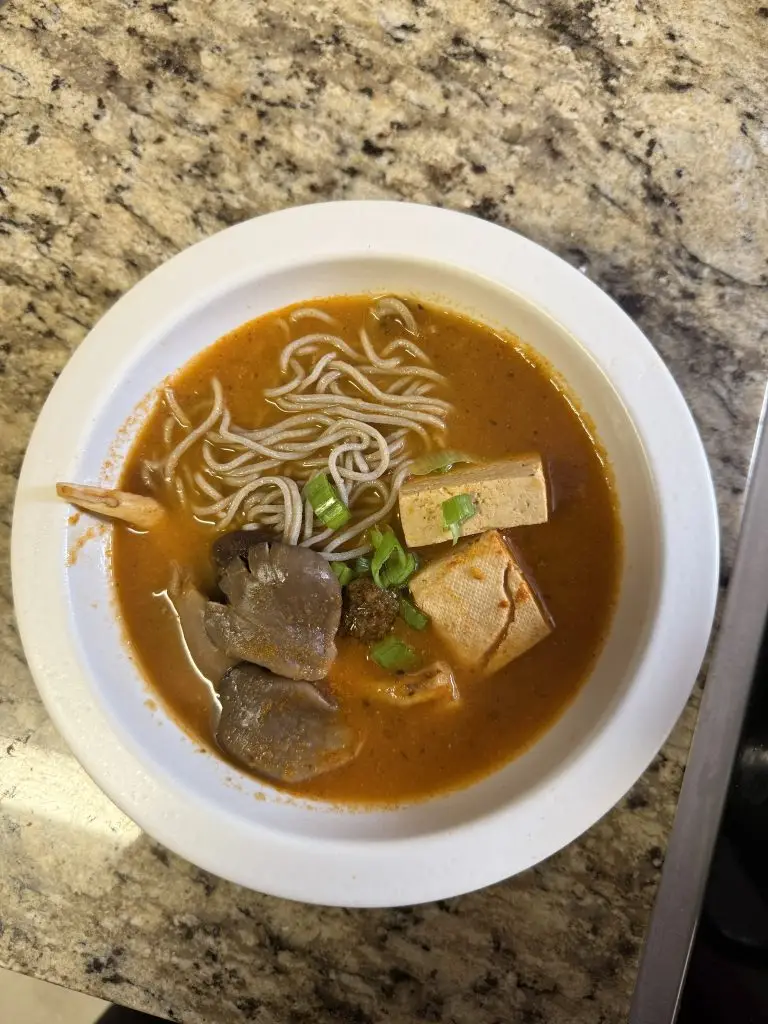
- For a brothy noodle soup, I recommend checking out either my palm nut soup recipe, my groundnut soup recipe or pepper soup.
- For a saucy bowl, I recommend steamed vegetables with a generous drizzle of my palm oil chilli oil or my vegan shito.
Equipment
- 1 pasta roller optional
Ingredients
- 120 g millet flour 1 cup
- 120 g bread flour (hard flour) 1 cup
- 144 ml water 2/3 cup
- Potato or Corn Starch for dusting
Instructions
- Sift the millet flour and bread flour together.
- Slowly incorporate water into the flour mix massaging the water into the flour to ensure the water hydrates the flour mix. Continue until the dough comes together into one cohesive dough.
- Knead the dough for 5 minutes to get a soft and supple dough.
- Cover the dough and let it rest at room temperature for at least 30 minutes. This allows the gluten to relax.
- Generally dust the surface of your work station with the potato starch. Divide the dough into two and roll each out into a thin sheet. If you are using a pasta roller, just roll it out thin enough to pass through the thickest setting of the pasta roller. If you are going to cut by hand, roll it out to as thin as 1/2 milimeter.
Pasta Roller
- Generously dust the surface of the dough with potato starch. Role out the dough through the thickest setting then roll it through the 3rd smallest setting. Use the noodle cutter to cut the noodle strands. Dust with more starch to keep noodles separated.
Hand Rolled and Cut
- Generously dust the surface of the dough with potato starch. Fold the dough into three on its self, like you are folding an envelope. With a bench scraper or knife cut thin noodle slices. Dust with more starch to keep noodles separated.
- Bring a pot of water UNSALTED to a rolling boil. Gently add the noodles (whether hand cut of pasta roller cut) and cook for up to 90 seconds. As you are cooking use chopsticks to gently nudge the noodles apart. The noodles will float when cooked
- Drain the noodles and rinse gently with cold water.
- Serve noodles with soup or sauce